

Rare Earth Elements are a group of metals that play a pivotal role in our modern lives and the green energy transition. In this article we’re going to dig deeper into REE’s and their role in the energy transition.
Firstly, What are Rare Earth Elements (REEs)?
Rare Earth Elements (REEs) are a group of seventeen metallic elements.
The 17 rare earth elements are: lanthanum (La), cerium (Ce), praseodymium (Pr), neodymium (Nd), promethium (Pm), samarium (Sm), europium (Eu), gadolinium (Gd), terbium (Tb), dysprosium (Dy), holmium (Ho), erbium (Er), thulium (Tm), ytterbium (Yb), lutetium (Lu), scandium (Sc), and yttrium (Y).
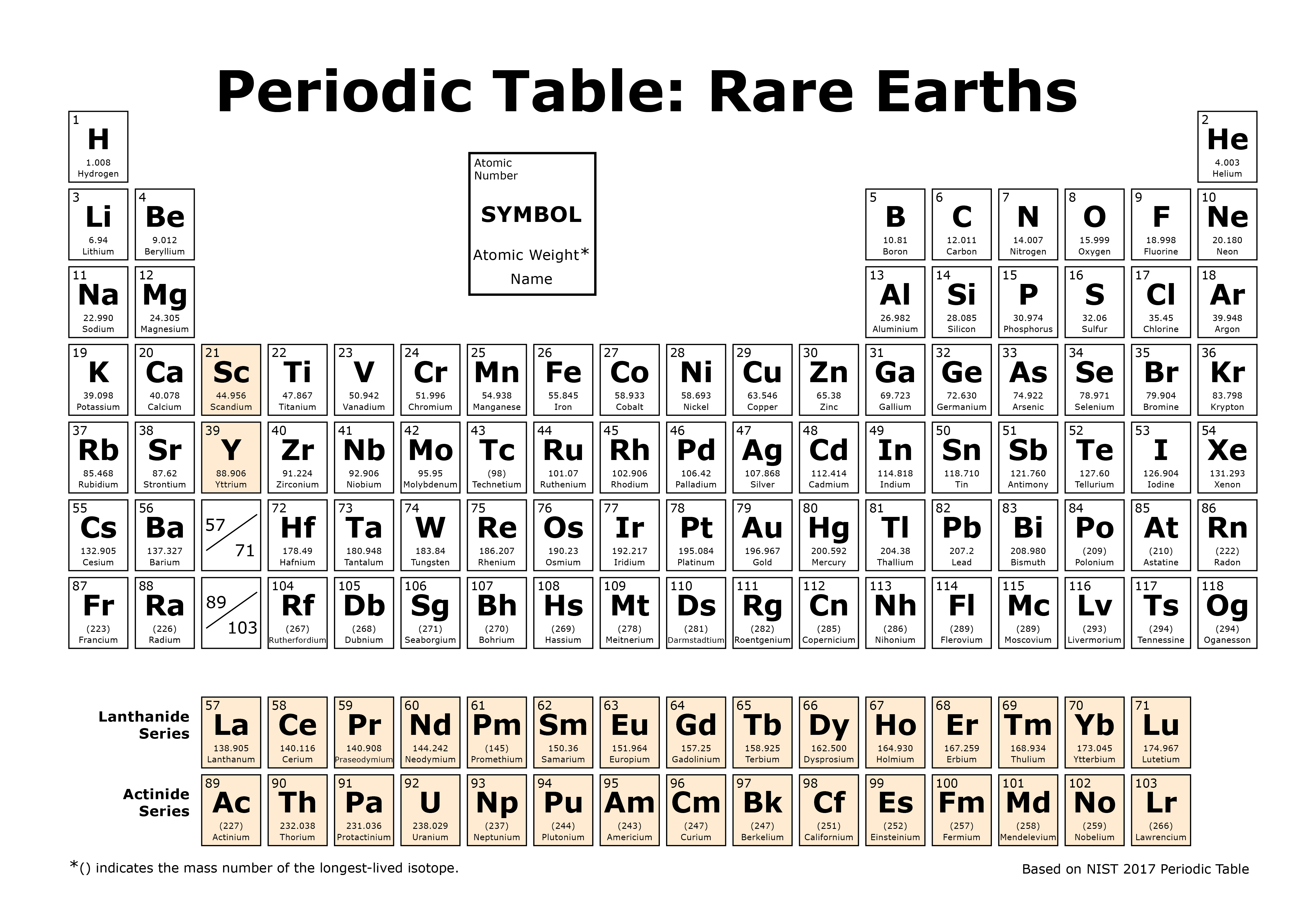
Rare Earth Elements are not as rare as the name suggests. They are actually abundant in the Earths crust but they are called “rare” because they are seldom found in sufficient amounts to be extracted easily or economically, and instead are found among other elements instead.1
Where do Rare Earth Elements come from?
A limited number of countries have substantial deposits of these elements to support mining operations.
According to estimates, the total worldwide reserves of rare earths amount to approximately 110 million metric tons. Most of these reserves are located within China, estimated at some 44 million metric tons. After China, the major rare earth countries based on reserve volume are Vietnam, Russia, and Brazil. The United States also has significant reserves, estimated to amount to 1.8 million metric tons.
With an estimated 240,000 metric tons produced from mines in 2023, China was also the world’s largest producer of rare earths that year. The second-largest producer of rare earths from mines is the United States, which extracted some 43,000 metric tons of rare earth mineral concentrates in 2023, but it still depends on China for refined rare earths.2
Rare Earth Elements and the Energy Transition
Rare earth elements play a significant role in the transition to cleaner energy sources, and this is what is meant when we hear about the energy transition. It is a global push to limit global warming to 1.5°C by 2030 as per the Paris Agreement, we must cut emissions by 45% and achieve net-zero emissions by 2050. All countries must decarbonise—cut fossil fuel use, transition to zero-carbon renewable energy sources, and electrify as many sectors as possible.
It will require huge numbers of wind turbines, solar panels, electric vehicles (EVs), and storage batteries — all of which are made with rare earth elements and critical metals.1
According to RatedPower, a 3MW direct drive turbine contains close to 2 tons of rare earth permanent magnets. Neodymium, dysprosium, and praseodymium magnets are also used in electric vehicle (EV) motors, each EV containing around 1-2kg of magnets.

Electric vehicles (EVs) rely on rare earth elements for critical components like neomagnets. These magnets, essential for EV motors, use the repelling force between opposing magnetic poles to propel the vehicle’s axle and power its wheels.
Neodymium-based magnets are ideal for high-powered EVs due to their high coercivity and flux density. However, their low operating temperature is a drawback, as they lose magnetism around 60–80°C. Adding dysprosium or terbium increases the operating temperature above 160°C. Dysprosium and praseodymium also enhance the magnet’s coercivity, leading to neomagnets typically comprising 24% neodymium, 7.5% dysprosium, and 6% praseodymium.3
Most wind turbines use neodymium–iron–boron magnets, which contain the rare earth elements neodymium and praseodymium to strengthen them, and dysprosium and terbium to make them resistant to demagnetisation.

Growing Demand
With the energy transition at the forefront and our modern lives relying on rare earth elements in various applications such as coloring smartphone screens, creating strong magnets, generating sound waves in headphones, enhancing digital information transmission, and relaying signals through undersea fiber-optic cables.
The demand for rare earth elements is projected to surge by 400-600% in the coming decades, with minerals like lithium and graphite used in EV batteries potentially seeing a 4,000% increase. Neodymium demand is expected to grow by 48% by 2050, surpassing supply by 250% by 2030. Praseodymium and terbium demand will also likely exceed supply significantly. To meet the anticipated 2035 demand for graphite, lithium, nickel, and cobalt, an estimated 384 new mines will be necessary.1
A Global Supply
In the rare earth industry, it would be impossible to get by without mentioning China as China has dominated the supply chain for rare earth elements over the last 25+ years, growing its market share from 54% in 1994 to highs of 97% in 2006.3 Though, this tight control of the supply of these important metals has the world searching for their own supplies. With the start of mining operations in other countries as mentioned previously above, China’s share of global production has fallen from 92% in 2010 to 58%< in 2020. However, China still has a strong foothold in the supply chain and produced 85% of the world’s refined rare earths in 2020.4
Over to the U.S. and rewind a few decades. Mountain Pass mine, was the world’s top source for rare earth elements, until two pressures became too much – By the late 1980s, China was intensively mining its own rare earths and selling them at lower prices, and secondly a series of toxic waste spills at Mountain Pass brought production at the struggling mine to a halt in 2002. However, the green tech revolution brought new attention to the mine.
MP Materials bought the mine in 2017 and resumed mining later that year. By 2022, Mountain Pass mine was producing 15% of the world’s rare earths and it remains the only U.S. mine for rare earth elements. And MP Materials have an ambitious agenda with plans to create a complete supply chain.5
Mining U.S. sources of rare earth elements, President Joe Biden’s administration stated in February 2021, is a matter of national security.
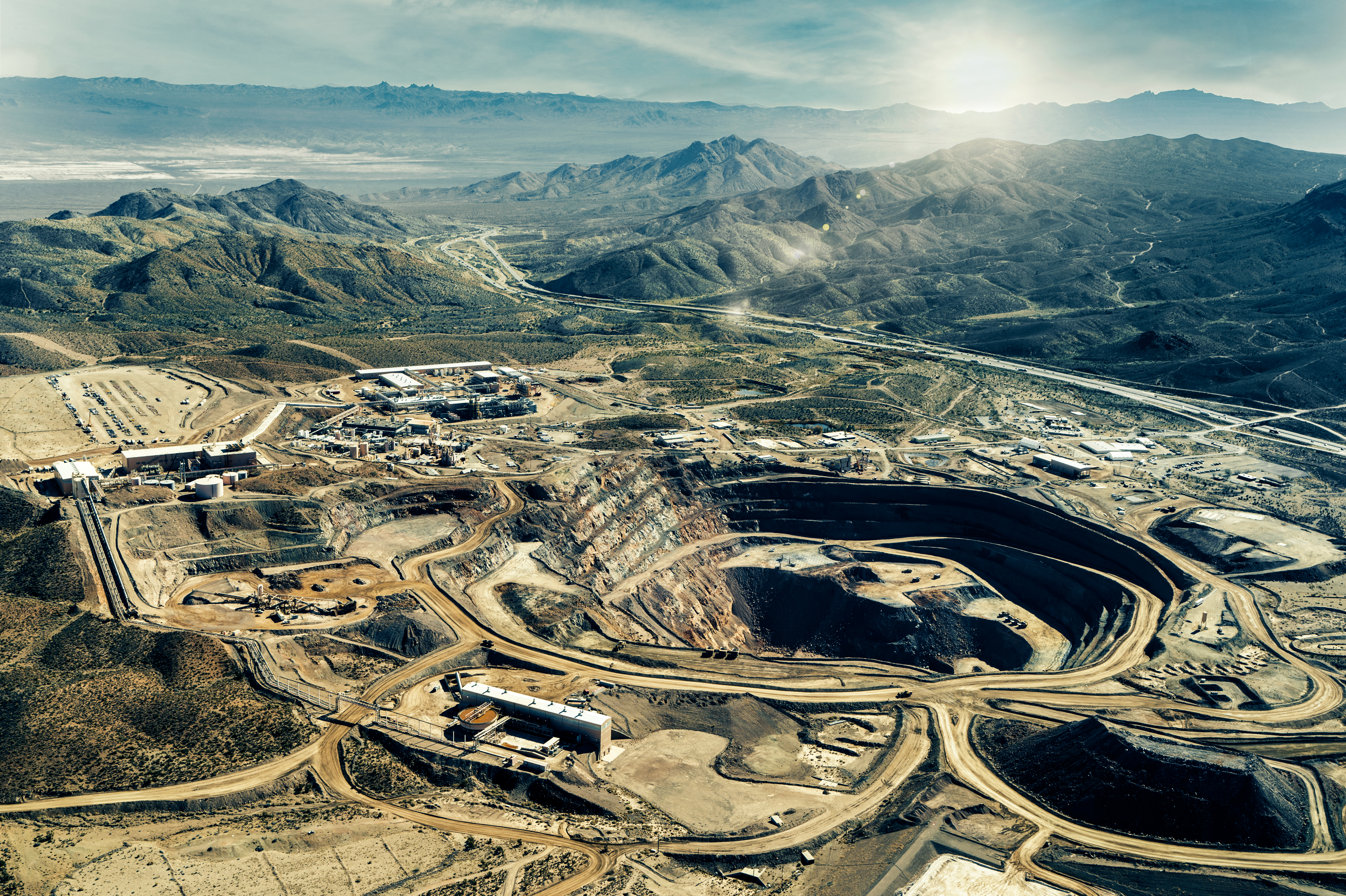
By Tmy350 – Own work, CC BY-SA 4.0, https://commons.wikimedia.org/w/index.php?curid=115261745
Conclusion
As we can see, rare earth elements are vital components of clean energy and modern technology and play a significant role in driving innovation to achieve an energy transition.
However, the sourcing and sustainability of rare earth elements pose challenges that need to be addressed for their long-term availability and environmental impact.
Through responsible sourcing, recycling, and continued research and innovation, we can ensure the continued advancement of technology while minimising the environmental footprint of rare earth element production.
Rare earth elements will remain at the forefront of technological progress, revolutionising various industries (notably wind energy and EV’s) and shaping a more sustainable future.
For further articles and insights, don’t forget to sign up to our quarterley newsletter, and check out the extra resources below for more on Rare Earth Elements. Alternatively, if you would like to discuss our bespoke executive search solutions to ensure you have the right leaders for success, contact our team for expert guidance and support with your recruitment needs.
Extra Resources
Have a listen to these podcast episodes on various Rare Earth projects around the world:
- Unlocking the Magic of Metals
- A Deep Dive into Rare Earth Mining in Africa
- Unveiling American Rare Earths
- Driving the Green Energy Transition
References
- https://news.climate.columbia.edu/2023/04/05/the-energy-transition-will-need-more-rare-earth-elements-can-we-secure-them-sustainably/
- https://www.statista.com/statistics/277268/rare-earth-reserves-by-country/
- https://www.edisongroup.com/insight/electric-vehicles-and-rare-earths/23277/
- https://elements.visualcapitalist.com/rare-earth-elements-where-in-the-world-are-they/
- https://www.sciencenews.org/article/rare-earth-mining-renewable-energy-future