
The global mining landscape is evolving, with emerging jurisdictions offering increasingly compelling opportunities for exploration and development. While established regions like Australia and Canada continue to dominate, countries such as Ecuador, Côte d’Ivoire, Zimbabwe, Bolivia, Suriname, and Kazakhstan are capturing attention for their rich geological endowment and improving investment climates. This article explores the unique characteristics, opportunities, and challenges of these jurisdictions, and how they are positioned to contribute meaningfully to future global resource supply.
Ecuador:
Ecuador’s mining sector is undergoing a transformation, evolving from a largely untapped region to a burgeoning mining jurisdiction. Geologically, Ecuador shares the same metallogenic belts as its neighbours – Chile, Peru, and Colombia – but has lagged behind in exploration and development due to historical regulatory and infrastructural challenges. Companies like Titan Minerals and Lumina Gold are working to change this narrative, exploring and developing significant gold and copper projects.
Titan Minerals’ Dynasty project exemplifies Ecuador’s potential, hosting an impressive 3.1 million ounces of gold and 22 million ounces of silver in an epithermal gold corridor. With ongoing exploration, the resource is expected to grow substantially. Similarly, Lumina Gold’s Cangrejos project demonstrates the country’s capacity to attract significant foreign investment and produce high-grade copper and gold.
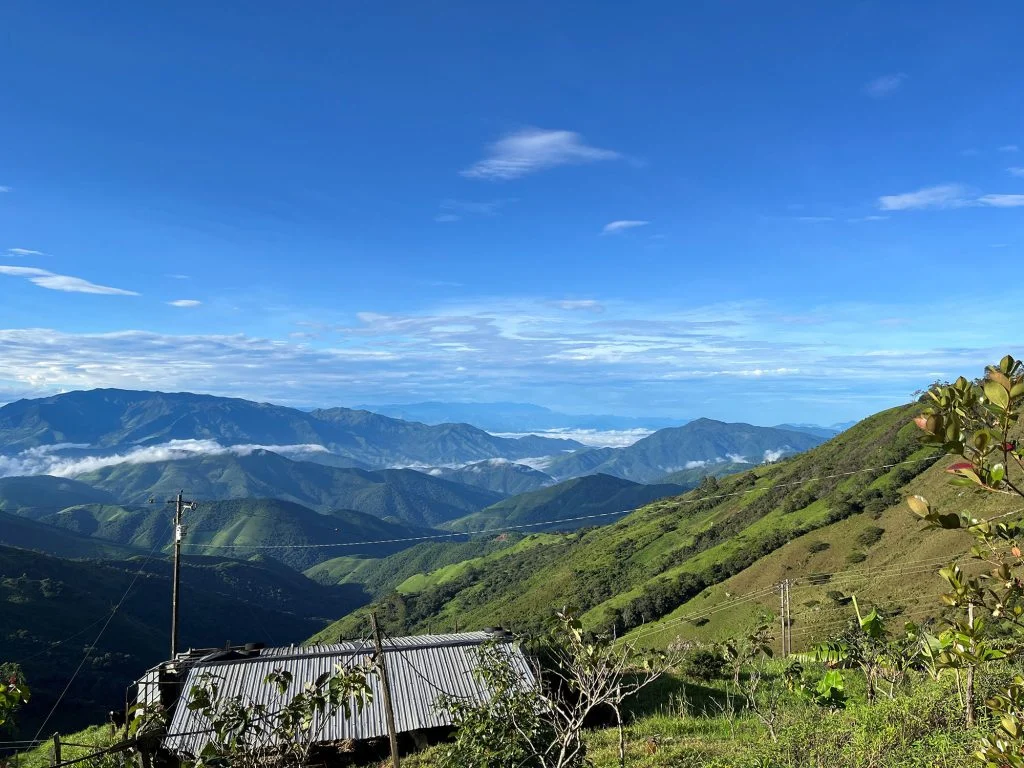
Despite these opportunities, Ecuador’s challenges include navigating complex regulatory frameworks and addressing community concerns. However, the government under President Noboa has signalled strong support for mining, recognising its potential to drive economic growth. Notable successes, such as Lundin Gold’s Fruta del Norte mine, showcase the viability of large-scale mining in the country and serve as a model for future projects.
Côte d’Ivoire: A Rising Star in West Africa
Côte d’Ivoire is emerging as one of West Africa’s most promising mining jurisdictions. Located on the highly prospective Birimian Greenstone Belt, the country boasts significant gold and copper potential. Although historically overshadowed by neighbours such as Ghana and Mali, Côte d’Ivoire is rapidly gaining traction due to its political stability and modernised mining code.
Many Peaks’ Ferke and Odienne projects highlight the potential of the region. The Ferke project, located on a belt known for multi-million-ounce deposits, features promising drill intercepts and underscores the untapped opportunities within the country. The Odienne project benefits from proximity to major discoveries by Newmont, further emphasising the region’s geological richness.
One unique challenge in Côte d’Ivoire is the presence of ferrocrete layers, which complicate traditional soil sampling methods. However, advances in exploration techniques, such as auger drilling and hyperspectral imagery, are helping companies overcome these obstacles. With continued exploration and investment, Côte d’Ivoire is well-positioned to become a leading mining destination in West Africa.
Zimbabwe: Rediscovering Mining Potential
Zimbabwe’s mining sector is often described as a sleeping giant, rich in resources but hampered by decades of underinvestment and regulatory hurdles. The country is highly prospective for gold, platinum, and other minerals, yet much of its potential remains untapped. Companies like Caledonia Mining are demonstrating the value of persistence, navigating Zimbabwe’s complex regulatory environment to achieve notable success.
Caledonia Mining’s Blanket Mine is a standout example, producing 75,000 to 80,000 ounces of gold annually with a life-of-mine plan extending into the 2040s. The company’s acquisition of the Bilboes project, with a resource base of 2.5 million ounces of gold, further underscores Zimbabwe’s untapped potential.
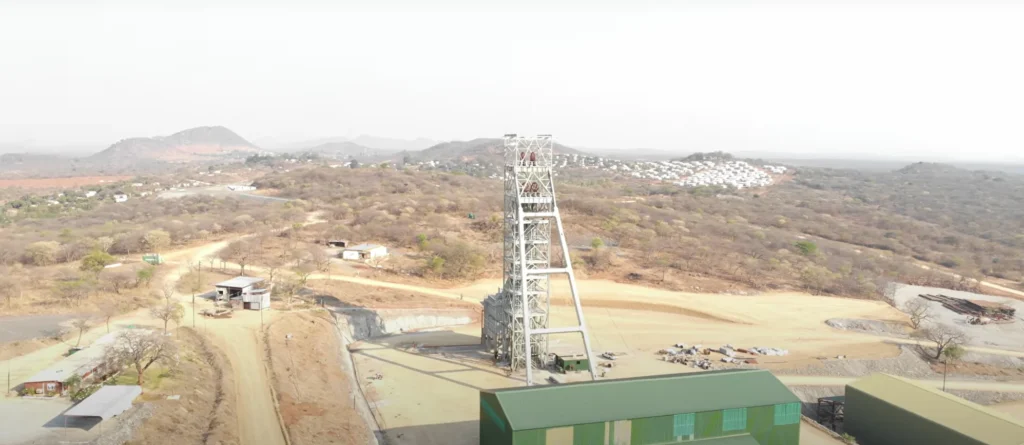
Key challenges in Zimbabwe include navigating foreign exchange controls and a bureaucratic regulatory framework. However, the country’s rich geology and improving investment environment make it an attractive jurisdiction for companies willing to invest in understanding and working within the system. As one of the few countries with significant unexplored gold resources, Zimbabwe is poised to attract more interest from the global mining community.
Bolivia: A Silver-Rich Nation with Growing Opportunities
Bolivia has long been associated with silver mining, home to some of the world’s most historic and productive silver mines. Despite political and economic challenges, the country remains one of the top silver producers globally. Companies like Silver Elephant Mining are capitalising on Bolivia’s rich mining tradition and geological potential.
Silver Elephant’s Pulacayo-Paca project, one of Bolivia’s largest underground silver mines, exemplifies the opportunities in this jurisdiction. With over 107 million ounces of indicated silver resources and ongoing production, the project highlights the viability of mining in Bolivia. The country also benefits from a strong mining culture and established infrastructure, which support exploration and production efforts.
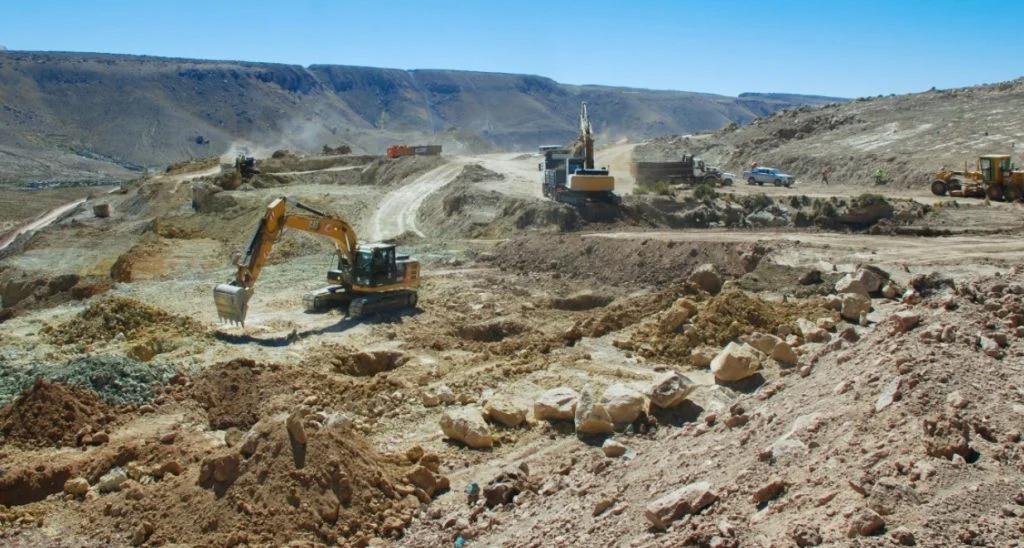
However, Bolivia’s political landscape can be unpredictable, and companies must build strong community relationships to succeed. As John Lee of Silver Elephant emphasises, fostering trust with local communities and adhering to environmental and safety standards are critical to long-term success. With increasing foreign investment and a strategic focus on its rich mineral deposits, Bolivia remains a compelling mining jurisdiction.
Suriname: Underexplored Gold Potential in the Guiana Shield
Tucked within the Guiana Shield, Suriname remains one of the most underexplored yet geologically promising countries in South America. With a long-standing history in mining, its gold sector has gained fresh momentum in recent years, aided by a mix of large-scale operations and a vibrant artisanal mining community.
While majors like Newmont and Iamgold have historically led exploration, there’s now a growing presence of junior companies entering the space. One such example is Sranan Gold, a Canadian explorer advancing the Tapanahony Gold Project in southeastern Suriname. Situated within the Marowijne Greenstone Belt, the project targets multi-million-ounce orogenic gold deposits with early-stage drilling already underway. According to Oscar Louzada and Rayiez Bhoelan of Sranan Gold, the area holds potential for several sizeable open-pittable deposits, backed by strong community relations and geological confidence.
Suriname’s appeal lies not only in its resource potential but also in its local expertise and improving investment environment. With both formal and informal gold production thriving, and with infrastructure like river transport and airstrips supporting exploration, the country is set to draw continued interest over the next decade.
Kazakhstan: Copper and Base Metals Growth in a Reforming Market
Kazakhstan is fast becoming one of the most promising and investor-friendly mining jurisdictions in Central Asia. With a rich geological endowment spanning copper, gold, zinc, and vanadium, the country is attracting growing interest from international explorers and developers. A key turning point came in 2018, when Kazakhstan overhauled its mineral code, modelling reforms on Western Australia’s regulatory framework to improve transparency and encourage foreign investment.
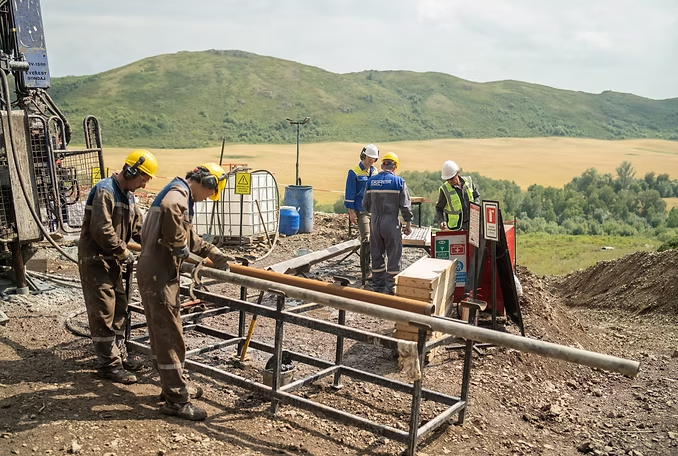
East Star Resources is one of the junior companies helping to unlock Kazakhstan’s mineral potential. Active across the Rudny Altai Volcanogenic Massive Sulphide (VMS) Belt, the company is advancing the Verkhuba copper-zinc project, which holds a JORC resource of 20Mt @ 1.2% Cu and 1.5% Zn. East Star’s team, led by CEO Alex Walker, is also progressing adjacent drill-ready targets at Rulikha and Talovskoye, with support from the BHP Xplor programme and leveraging Kazakhstan’s exceptional infrastructure – rail, power, water, and nearby smelters.
Alex Walker describes Kazakhstan as a “top-tier jurisdiction for exploration and development”, citing improvements in digital permitting, strong local workforce skills, and a welcoming social environment. Major players such as Fortescue, Barrick, and B2Gold have also entered the country, confirming the wider trend of increased confidence in its long-term prospects.
Conclusion
Ecuador, Côte d’Ivoire, Zimbabwe, Bolivia, Suriname, and Kazakhstan each present distinct opportunities and challenges as emerging or re-emerging mining jurisdictions. Whether it’s the underexplored greenstone belts of Suriname or the infrastructure-rich copper belts of Kazakhstan, these countries are drawing attention for their geological potential and evolving investment climates. While regulatory frameworks, logistics, and social dynamics vary, a common thread is the growing interest from both junior explorers and major mining companies. For those willing to navigate the complexity, these jurisdictions may offer the next wave of significant mineral discoveries.
Mining International partners with companies exploring these emerging jurisdictions, offering tailored recruitment solutions to meet their executive and technical staffing needs. With deep industry expertise and a commitment to delivering positive outcomes, we support the mining sector in unlocking the potential of these dynamic regions. By connecting the right talent with the right opportunities, we help shape the future of mining in these promising jurisdictions.
Contact us today, follow us on LinkedIn, or subscribe to our newsletter to stay updated on the latest mining industry insights and opportunities.
Updated July 2025
Sources: