
In recent years, the industry has observed a hiring trend that merits further scrutiny—age bias in mining. Specifically, there is a reluctance in some cases to hire individuals beyond a certain age, justified by concerns over long-term commitment. However, the nature of the mining sector, where the average tenure in a position spans only 2 to 2.5 years (information we have gained from reviewing a large number of CVs over the years), raises questions about the validity of this reasoning. Given this relatively short employment window, hiring decisions should focus on skills and experience rather than age.
The issue often boils down to the perceived differences between hiring a 42-year-old and a 62-year-old. Both demographics are likely to leave within the same three-year period, so why is proximity to retirement age such a critical factor? Companies may be missing out on the considerable benefits of hiring older workers, who often bring a wealth of expertise and deep industry knowledge.
The Value of Experience
The mining industry stands to gain from hiring older, more experienced professionals. These individuals often bring decades of problem-solving expertise, leadership capabilities, and extensive networks, which are invaluable in an industry that requires a high level of technical knowledge and operational efficiency. Additionally, many senior professionals have the capacity to effect significant organisational changes, as they tend to have a nuanced understanding of both the technical and business sides of the mining industry.
Age bias in mining may seem to ignore the fact that older workers, particularly those with 20-30 years of experience, are often well-positioned to mentor younger employees and transfer vital knowledge. Research supports this—older workers tend to have high resilience, expertise, and leadership potential. It’s also worth noting that in physically demanding roles, older workers, particularly in supervisory or technical positions, often perform just as well as their younger counterparts. 1
Safety and the Aging Workforce
While the perception exists that older workers may be more prone to injury, data from the National Institute for Occupational Safety and Health (NIOSH) suggests a more complex picture. According to a study, the percentage of injured workers aged 45 and older in mining rose significantly between 1988 and 1998, particularly in coal mining where the proportion increased from 24% to 44%. However, while injury rates may rise, older workers tend to require longer recovery periods, not because of decreased competence, but due to physiological changes that accompany aging. 1
In mining, the severity of injuries tends to increase with age, but older workers bring valuable experience in avoiding risky behaviours that lead to injuries. It’s critical for companies to recognise that with appropriate safety measures and ergonomic adjustments, older workers can maintain high productivity levels.
The Broader Workforce Trends
Globally, the mining industry is facing workforce challenges due to aging employees and upcoming retirements. According to a McKinsey report, the sector has struggled to attract younger talent, with many professionals moving to more innovative industries like technology and renewables. The talent shortage is a growing concern, with significant portions of the mining workforce nearing retirement age. If not addressed, this could exacerbate skills shortages and leave critical leadership roles unfilled.
Additionally, a 2023 report from Deloitte via Mining.com highlights that the mining sector is struggling to fill vacancies as many professionals reach retirement, particularly in key technical roles. This ongoing challenge of an aging workforce calls for proactive recruitment strategies that tap into both older and younger talent pools. Companies that fail to address this challenge risk falling behind in a competitive global marketplace.
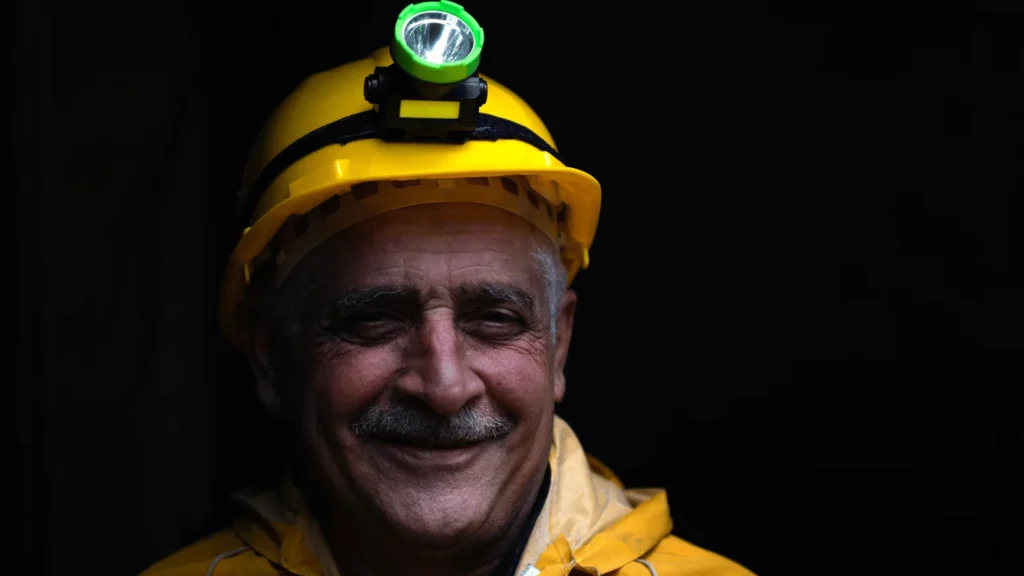
Economic Impact of Age Diversity
Beyond individual performance, age diversity within teams often leads to improved decision-making and operational outcomes. Older employees can complement the energy and tech-savviness of younger workers with their broad understanding of industry challenges. Research has shown that when older workers are integrated into leadership roles, companies benefit from more stable and well-informed decision-making processes.
This demographic shift is not confined to the U.S. In many industrialised and developing countries, the median age of the working population is steadily rising due to increased life expectancy and declining birth rates. The World Health Organisation has also highlighted that older workers often face challenges due to work capacity mismatches, but interventions that focus on better work organisation and reducing physical strain can dramatically improve their productivity. 1
Towards Inclusive Hiring – Removing Age Bias
Despite these compelling benefits, age bias in mining persists. Overlooking the potential of older workers not only diminishes diversity but can also stifle innovation and problem-solving capacity within teams. By broadening recruitment strategies to include professionals across different age groups, mining companies can adopt a more inclusive and effective workforce.
Adopting best practices that support older workers—such as flexible working arrangements, ergonomic adjustments, and continuous professional development—can enhance both safety and productivity. Additionally, companies that value experience and expertise over arbitrary age thresholds are likely to see improved retention rates and higher levels of employee satisfaction.
Conclusion
The conversation around age bias in mining needs to evolve. It’s time for companies to rethink how they assess candidates and adopt hiring practices that prioritise skill, experience, and potential over age. The mining industry has a unique opportunity to harness the strengths of a multi-generational workforce, blending the fresh perspectives of younger employees with the deep knowledge of seasoned professionals.
As the global workforce continues to age, the mining industry must ensure that its hiring practices align with the realities of the job market. By embracing age diversity, companies can build stronger, more resilient operations capable of navigating future challenges. We encourage you to reflect on your own experiences and consider how age-related bias may be affecting your recruitment strategies.
At Mining International, we help companies identify and hire the best talent, regardless of bias, ensuring that businesses can benefit from the deep expertise of experienced professionals and the fresh perspectives of younger talent. By adopting inclusive hiring strategies, we can support the mining sector in overcoming workforce challenges and thriving in a competitive environment.
For more information on how Mining International can support your hiring needs and drive your business forward, contact us today to learn more about our services and how we can partner with you.
Connect With Us
For further insights into the mining industry, don’t forget to follow us on LinkedIn for weekly updates, sign up for our Newsletter and insights, and stay tuned to Dig Deep The Mining Podcast for twice weekly live interviews with mining professionals and leading figures in the mining industry. And don’t forget to share this article to educate others on the impact of the mining industry.